
E-learning
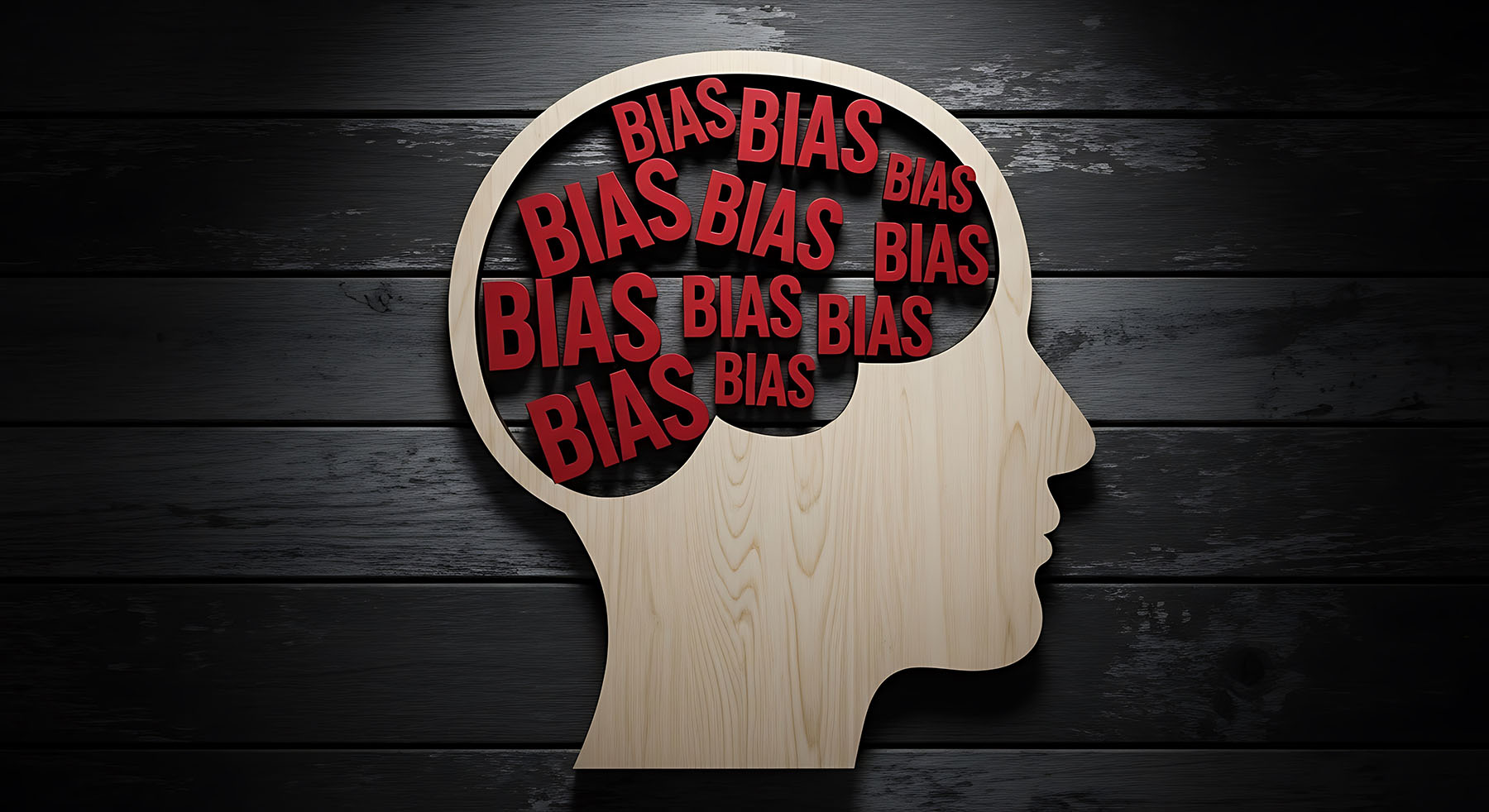
Unconscious Bias Course
Promoting awareness of unconscious bias supports a more inclusive workplace, where diversity is recognised as a strength. Bringing together a range of viewpoints can encourage creativity, improve collaboration, and contribute to both individual and organisational success.
Description
This Unconscious Bias training programme helps employees become more aware of how unconscious bias can influence their thinking and decision-making. By recognising these biases, individuals can make more balanced and informed decisions, while valuing the different perspectives and experiences within a team
Assessments
At the end of the training, learners must complete an assessment consisting of 10 multiple-choice questions. A pass mark of 80% is required.
Certificates
Upon successful completion, learners will receive a certificate via the SHINE platform, which can be downloaded as a PDF.
Benefits of Training
- Increases awareness of unconscious bias and its impact on behaviour and decision-making
- Supports fair and objective decision-making across the organisation
- Encourages a more inclusive and collaborative workplace culture
- IOSH Approved, CPD Certified, and SCORM compliant
- Flexible online learning that can be completed at any time
- Interactive content to maintain engagement
- Knowledge checks throughout the course
- Section summaries to reinforce key learning points
Course Aims
By the end of this course, participants will be able to:
- Explain what unconscious bias is and why it is important to address
- Identify common types of bias that can affect workplace decisions
- Recognise the influence of bias in their own thinking and behaviour, as well as in others
- Apply practical strategies to reduce the impact of bias in the workplace
Course Overview
1. Introduction
An overview of unconscious bias, including what it is, how it can influence behaviour and decision-making, and why it is important to address it in the workplace.
2. Common Types of Unconscious Bias
Introduction to some of the most frequently encountered forms of bias in professional settings, including affinity bias, attribution bias, appearance-based bias, confirmation bias, and conformity bias.
Guidance on how to recognise these biases in everyday workplace situations.
3. Addressing Unconscious Bias
Practical guidance on identifying and managing personal biases.
This section highlights strategies such as recognising that bias is natural, seeking out different viewpoints, asking for feedback, and committing to ongoing self-reflection and learning in order to reduce its impact.
4. Organisational Responsibility
Explanation of how unconscious bias can lead to both direct and indirect discrimination, supported by real-life examples.
Overview of employer responsibility, including how organisations may be held accountable for employee actions.
Discussion of steps organisations can take to reduce risk, such as implementing effective policies, providing training, encouraging openness, and promoting accountability.
5. Reducing Bias in Workplace Processes
Practical methods organisations can use to minimise bias within everyday processes.
Examples include anonymising job applications, conducting initial interviews remotely, and encouraging hiring managers to challenge assumptions and avoid stereotyping during decision-making.
FAQS
Is unconscious bias training necessary if we already have a diverse workforce?
Yes. A diverse workforce does not eliminate unconscious bias. This training helps employees recognise how bias can still influence decisions and interactions, supporting a more inclusive and fair workplace environment.
Can the training be adapted to suit our organisation or industry?
Yes, the course can be customised to reflect your organisation’s policies, procedures, and industry-specific scenarios. This ensures the training is relevant and directly applicable to your workplace.
What support is available if there are issues with the course?
We provide comprehensive technical support to ensure a smooth learning experience, whether you are accessing the course via the SHINE platform or integrating it into your own LMS. Our support team is also available to assist with any questions about content or compliance.
What happens if a learner does not pass the assessment?
If a participant does not achieve a passing score initially, they can revisit the course materials and retake the assessment. Interactive features throughout the training help reinforce understanding and support successful completion.
Can I track employee progress during the training?
Yes, when using the SHINE platform, you can monitor learner progress, view completion data, and download certificates for your compliance records.
How can I ensure this training will have a positive impact?
The course combines awareness with practical strategies, enabling employees to actively reduce the influence of unconscious bias. This leads to more balanced decision-making and stronger collaboration across teams.
Is this training suitable for senior leaders?
Yes, the course is appropriate for employees at all levels, including senior management. Leadership plays a key role in setting expectations and modelling inclusive behaviours.
Do you offer discounts for larger groups?
Yes, discounted rates are available for organisations training multiple employees. Contact us to discuss your requirements and receive a tailored quote.
How quickly can the training be implemented?
The course is accessible immediately after purchase. It can be launched via the SHINE platform or integrated into your existing LMS, allowing learners to begin straight away.
Prerequisites
Unconscious bias awareness training is valuable for employees at every level, regardless of their role or responsibilities within an organisation.
By improving understanding of unconscious bias, individuals gain greater insight into how their thoughts and behaviours may be influenced without their awareness. This increased self-awareness supports more balanced decision-making and encourages individuals to consider different perspectives.
Ultimately, this type of training helps create a more inclusive working environment, where people feel valued and collaboration across diverse teams is strengthened.


