
E-learning
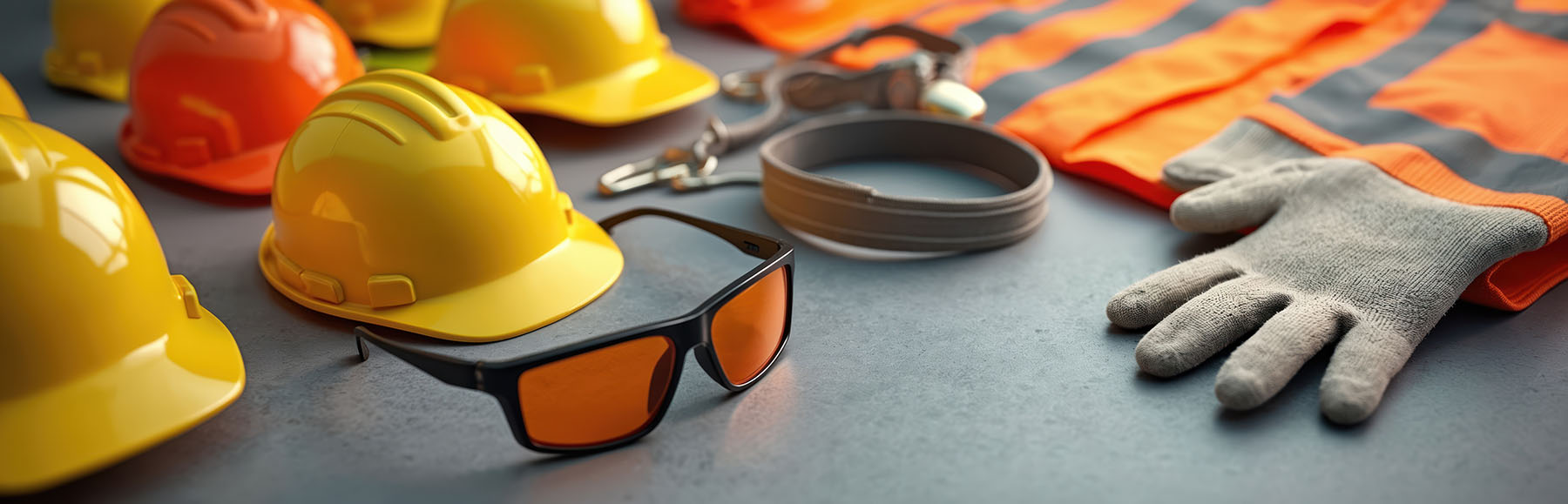
PPE Training
The course supports organisations in meeting health and safety requirements, including the Personal Protective Equipment at Work Regulations 1992, by helping to lower the likelihood of incidents in higher-risk working environments.
Description
Our IOSH-approved PPE training helps employees recognise why personal protective equipment is essential, how to use it correctly, and how to care for it effectively.
Benefits of Training
- Helps organisations meet legal requirements, including the Personal Protective Equipment at Work Regulations 1992 and the Health and Safety at Work Act 1974
- Enables employees to correctly choose, use, and maintain PPE, helping to maximise protection and extend equipment lifespan
- IOSH-approved, CPD-certified, and SCORM-compliant training
- Developed by qualified health and safety professionals with extensive experience in training delivery
- Flexible, self-paced learning that can be completed at a convenient time
- Engaging, interactive content to maintain learner interest
- Built-in multiple-choice quizzes to check understanding throughout
- End-of-section summaries to reinforce key learning points
Course Aims
By the end of the training, participants will be able to:
- Explain the purpose of PPE and recognise its limitations
- Identify different types of PPE and understand when each should be used
- Follow manufacturer guidance when using PPE
- Carry out pre-use checks to ensure equipment is safe and fit for purpose
- Store PPE correctly and understand why proper storage is important
- Understand both employer and employee responsibilities, including those set out in the Health and Safety at Work Act 1974
Course Overview
Introduction
Provides an overview of what PPE is used for, its limitations, and where it sits within the hierarchy of control measures.
Selecting Appropriate PPE
Explains how to choose suitable PPE based on the task, potential hazards, the individual wearer’s needs, and the working environment.
Understanding PPE Types
Covers the various types of PPE available, when they should be used, and the importance of following manufacturer instructions to ensure effectiveness.
PPE Care and Personal Responsibility
Outlines the checks employees should complete to confirm PPE is safe to use, along with guidance on correct disposal when equipment is no longer fit for purpose.
Assessing PPE Suitability
Describes how to determine whether PPE is appropriate, including inspection, testing, pre-use checks, cleaning, maintenance, and replacement.
PPE Storage
Explains how to store PPE correctly to maintain its condition and ensure it remains effective.
Training Requirements
Highlights the responsibility of employers to provide both practical and theoretical instruction, ensuring employees understand how to use PPE safely and correctly.
Employer and Employee Responsibilities
Details the legal duties of both employers and employees under the Personal Protective Equipment at Work Regulations 1992 and the Health and Safety at Work etc. Act 1974.
Respiratory Protective Equipment (RPE)
Covers different types of RPE, their purpose, and step-by-step guidance on correct fitting. Also includes maintenance requirements, replacement timelines for filters and masks, and safe usage practices.
Eye and Face Protection
Identifies common hazards such as dust, gases, liquids, and vapours, and explains the different types of protection available along with safe use and maintenance.
Head and Neck Protection
Explores risks to the head and neck, types of protective equipment, correct fitting, storage, and when items should be replaced.
Hand and Arm Protection
Looks at hazards including cuts, chemicals, extreme temperatures, electrical risks, and biological agents. It also covers suitable protective equipment, such as gloves, and best practices for use and hygiene.
Hearing Protection
Explains when hearing protection is required, including noise exposure levels and employer responsibilities such as health surveillance. It also covers types of hearing protection, correct fitting, effectiveness checks, and safe usage guidelines.
Body Protection
Outlines different forms of body protection and when they are needed, including:
- Coveralls and general workwear
- Foot and leg protection
- High-visibility clothing
- Life jackets and safety harnesses
- Chemical and hazardous material suits
- Disposable and reusable protective clothing
- Personal fall protection equipment
FAQS
What industries is this PPE course suitable for?
This PPE training is designed for a variety of higher-risk sectors, such as construction, manufacturing, and healthcare. It is also suitable for any organisation where employees are required to use personal protective equipment as part of their role.
Can the course be tailored to our organisation’s PPE requirements?
Yes. We offer customisation options to include your organisation’s specific PPE procedures, policies, and branding. Get in touch with us to discuss how the course can be adapted to meet your needs.
What if my team requires refresher training?
Refresher training is recommended at intervals appropriate to your industry and level of risk. Learners can revisit the course during the access period, and we also provide refresher training options where needed.
Can I track employee progress during the training?
Yes. When using the SHINE platform, you can monitor learner progress, check completion rates, and download certificates for record-keeping and compliance purposes.
What support is available if there are issues with the course?
We provide full technical support to ensure a smooth experience, whether the course is accessed via the SHINE platform or integrated into your own LMS. Our support team is also available to help with any questions about the content or compliance.
Are there discounts for larger teams?
Yes. We offer discounted pricing for organisations training multiple employees. Contact us to discuss your requirements and receive a tailored quote.
What happens if a participant does not pass the assessment?
Participants who do not achieve a passing score on their first attempt can review the course material and retake the assessment. The training includes interactive elements and quizzes to support understanding throughout.
How quickly can the training be deployed?
The course is available immediately after purchase and can be accessed via the SHINE platform or integrated into your existing LMS, allowing employees to start straight away.
Prerequisites


