
E-learning
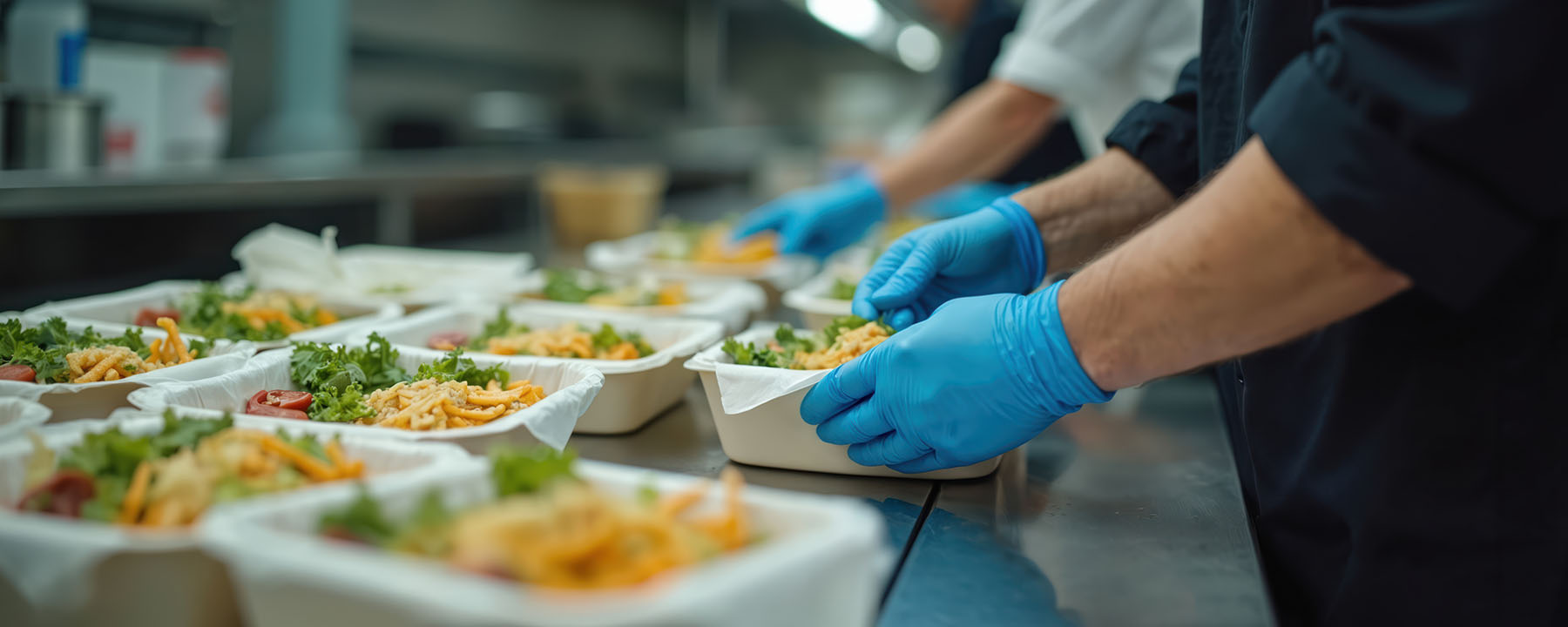
Food Safety & Hygiene Level 2
Food Safety & Hygiene Level 2 provides employees with the essential knowledge and skills needed to maintain high standards of food safety, helping to protect customers from food‑borne risks.
Description
Designed for anyone who prepares, handles, or serves food, this IOSH‑approved course supports compliance with legal requirements while encouraging best‑practice approaches to food hygiene.
Covering key topics such as HACCP principles, safe food handling and storage, and personal hygiene, the online course helps organisations reduce risk, protect their reputation, and ensure customer safety.
Assessments
At the end of the Food Hygiene Training, learners complete a short assessment made up of 10 multiple‑choice questions. A minimum score of 80% is required to pass.
Benefits of Training
- Helps organisations meet food safety legislation and maintain effective management systems, reducing the risk of enforcement action or penalties.
- Comprehensive training that supports the prevention of food poisoning, cross‑contamination, and food‑borne illness, protecting both customers and employees.
- IOSH approved, CPD accredited, and fully SCORM compliant training.
- The Food Safety & Hygiene Level 2 course can be completed online at a pace and time that suits each participant.
- Interactive learning content designed to keep participants engaged throughout the course.
- Multiple‑choice quizzes enable learners to check their understanding as they progress.
- End‑of‑section summaries reinforce key concepts and support knowledge retention.
Certificates
When Food Hygiene Training is completed on the SHINE platform, a certificate is issued upon successful completion and can be downloaded as a PDF for your records.
Course Aims
By the end of the Food Safety & Hygiene (Level 2) course, participants will be able to:
- Understand the legal responsibilities of both employers and employees under food safety legislation.
- Identify physical, chemical, microbiological, and allergenic hazards and apply appropriate controls to reduce food safety risks.
- Recognise the importance of maintaining accurate food safety records to support compliance and prevent incidents.
- Apply safe practices for cooking, storing, defrosting, and reheating food.
- Understand the symptoms of common food‑borne illnesses and know how to reduce the risk of contamination and illness.
Course Overview
1. Introduction to food safety
- Key food safety statistics, including the scale of food poisoning and food‑borne illness, and why many cases go unreported.
- The benefits of following good food safety practices and the potential consequences of failing to do so for individuals and organisations.
2. Training and competence
- What food safety training must be provided to food handlers.
- When training should take place and the core topics it should cover to support safe working practices.
3. Food safety hazards
- An overview of physical, chemical, microbiological, and allergenic contaminants.
- The health risks associated with these hazards and practical steps to prevent illness and injury.
4. Food‑borne illness
- Common causes and sources of food‑borne illness.
- Typical symptoms, average onset times, and who is most vulnerable.
5. Cross‑contamination
- How cross‑contamination occurs during food handling.
- Measures that can be implemented to prevent contamination between foods, surfaces, and equipment.
6. Acrylamide
- What acrylamide is and why it is a health concern.
- Practical steps that can be taken to reduce acrylamide levels in food.
7. Temperature control: fridges and freezers
- Checks required to ensure refrigeration and freezer units operate at safe temperatures.
- How and why foods such as rice, pasta, and joints of meat should be cooled quickly.
- Correct storage of frozen food and safe methods for defrosting, reheating, and cooking.
- Legal requirements relating to temperature control.
8. Food allergen control
- How food allergens affect individuals.
- Steps to prevent cross‑contamination between allergen‑containing and allergen‑free foods during storage and preparation.
9. First aid, accidents, and pests
- What a first aid kit should contain and the importance of adequate first aider provision.
- Recording accidents and incidents appropriately.
- Types of food pests, signs of infestation, conditions that attract pests, and prevention measures.
10. Safe food storage
- Methods used to preserve food and appropriate storage conditions for frozen and ambient foods.
- Understanding date labelling, including “best before”, “use by”, and “sell by” dates.
11. Food safety law
- Employer and employee responsibilities under food safety legislation.
- Legal requirements for food service organisations.
- The importance of having an effective food safety management system.
12. Record keeping
- What records should be kept to demonstrate that reasonable precautions are in place.
- The benefits of maintaining accurate and up‑to‑date food safety records.
13. Food poisoning and bacterial growth
- Common food poisoning illnesses, their causes, symptoms, and typical onset times.
- The food poisoning chain and how infection spreads.
- Conditions required for bacterial growth, high‑risk foods, and temperature control.
- How heat destroys bacteria and how cold temperatures slow or stop bacterial growth.
14. Probe thermometers
- What probe thermometers are used for.
- How to correctly check food temperatures, particularly meats.
- Calibration, cleaning, and disinfection of thermometers.
15. Personal hygiene
- Why high standards of personal hygiene are critical to food safety.
- Practical steps food handlers should take to maintain good hygiene.
16. Hygienic equipment, surfaces, and premises
- The role of cleaning schedules in a HACCP‑based food safety system.
- Procedures for cleaning equipment, work surfaces, walls, ceilings, and floors.
- Waste management and the importance of hygienic waste storage.
- The role of adequate ventilation in food preparation areas.
FAQS
Is this course suitable as refresher training?
Yes. The online Food Safety & Hygiene course is suitable for both first‑time learners and those completing refresher training. It reflects current legal requirements and recognised best practices, making it ideal for employees who need to renew or update their knowledge.
What support is available if I experience issues with the course?
We provide full technical support to ensure a smooth learning experience, whether the course is accessed via the SHINE platform or integrated into your own learning management system (LMS). Our customer support team is also available to answer questions related to course content or compliance.
Are discounts available for training large teams?
Yes. We offer volume‑based discounts for organisations training multiple employees. Please contact us to discuss your requirements, and we can provide pricing based on the size of your team.
What happens if a participant does not pass the assessment?
If a learner does not achieve a pass on their first attempt, they can revisit the course material and retake the assessment. The training includes interactive content and quizzes throughout to reinforce understanding and support successful completion.
How quickly can the course be rolled out to our team?
Once purchased, the course is available immediately through the SHINE platform or can be integrated into your existing LMS, allowing employees to begin training without delay.
Can progress be monitored throughout the training?
Yes. When delivered via the SHINE platform, administrators can track learner progress, view completion rates, and download certificates to support compliance records and audits.
Prerequisites
The Food Hygiene course is suitable for anyone involved in preparing, cooking, or handling food as part of their role, including those working within a HACCP‑based food safety system.


