
E-learning
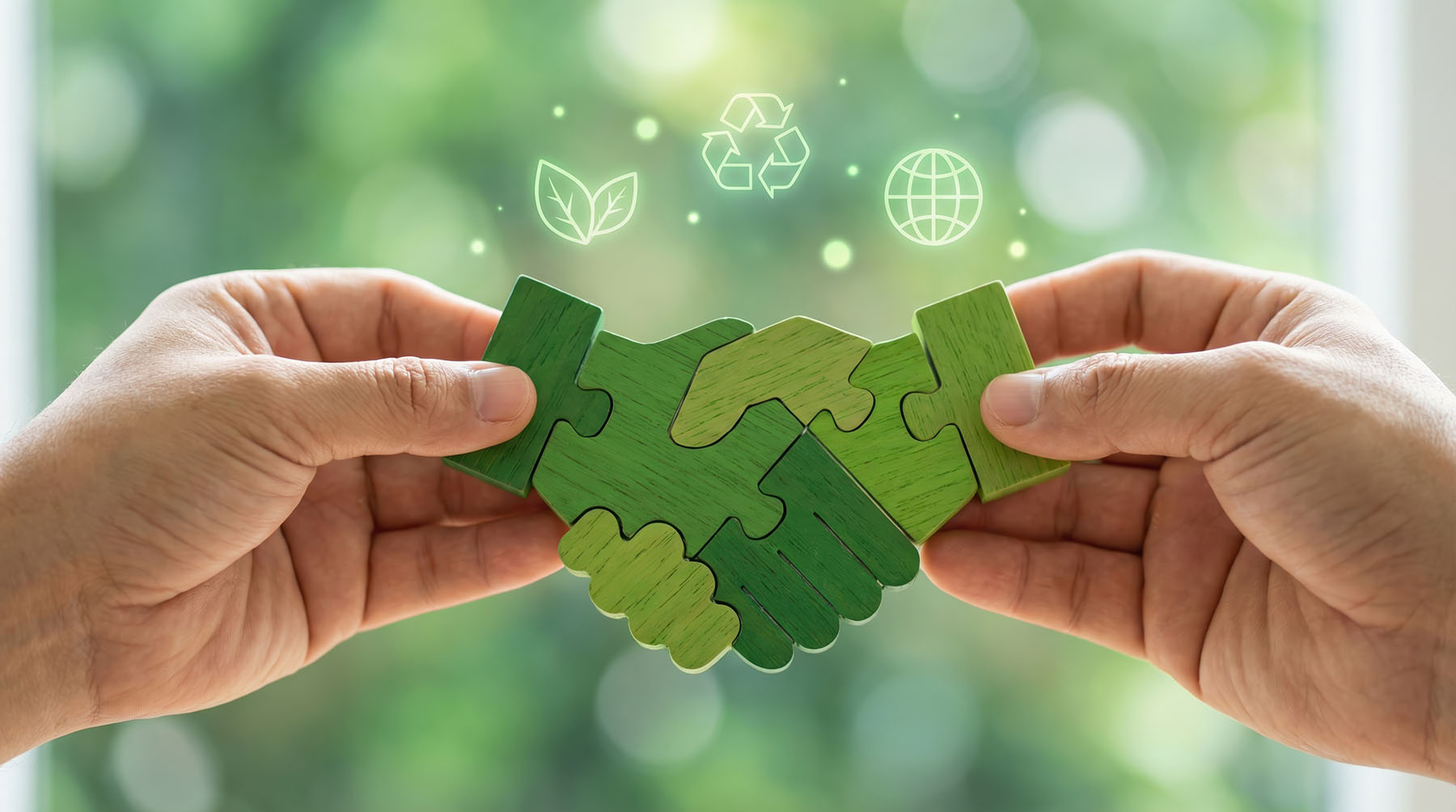
Environmental Awareness
Our Environmental Awareness Training helps organisations build a strong culture of sustainability while supporting compliance with the Environmental Protection Act 1990 and the Environment Act 1995. By encouraging employees to reduce waste and use resources more efficiently, the training can also deliver cost savings and improve overall operational efficiency.
Description
Organisations that place a strong emphasis on environmental responsibility can strengthen their reputation, appeal to environmentally conscious customers, and respond to increasing expectations for sustainable practices, gaining a competitive edge in the market.
Benefits of Training
- Teaches practical approaches to managing waste, improving energy efficiency, and reducing emissions, supporting a more sustainable and environmentally responsible organisation.
- Explains the legal responsibilities of employers and employees, helping organisations meet environmental regulations and minimise the risk of non‑compliance.
- IOSH approved, CPD accredited, and fully SCORM compliant training.
- Developed by qualified and experienced health, safety, and environmental professionals with extensive expertise in delivering effective training solutions.
- Flexible online learning that participants can complete at a pace and time that suits them.
- Interactive content designed to keep learners engaged throughout the course.
- Multiple‑choice quizzes allow participants to check their understanding as they progress.
- End‑of‑section summaries reinforce key messages and support knowledge retention.
Course Aims
By the end of the Environmental Awareness Training, participants will be able to:
- Understand the main causes of climate change and the wide‑ranging environmental and social impacts it creates.
- Explain the legal responsibilities of both employers and employees in relation to environmental protection and management.
- Support and apply practical measures to reduce waste and pollution while conserving energy and natural resources.
- Understand how environmental risks can be identified, monitored, and controlled through an effective environmental management system (EMS).
Course Overview
1. Climate change
- An introduction to climate change and how human activities are contributing to rising global temperatures.
- The impacts of climate change, including damage to ecosystems, increasing desertification, and growing pressure on water resources.
2. Regulations and responsibilities
- An overview of the legal duties placed on employers and employees to protect the environment.
- Why compliance with environmental legislation is important and how it helps prevent environmental harm.
3. Waste management
- An explanation of the main categories of waste: household, industrial, and commercial.
- Why waste is a significant environmental issue, the effects it has on the planet and society, and how organisations can help reduce waste and improve resource management.
4. Energy use
- Why energy efficiency matters and the role organisations play in reducing energy consumption.
- An overview of renewable energy sources, emissions trading schemes, and the small everyday actions that can collectively make a significant difference.
5. Air emissions
- Identification of major air pollutants and their effects on human health, animals, plants, and ecosystems.
- Practical steps organisations can take to reduce emissions and meet, or exceed, legal requirements.
6. Water management
- An outline of legal requirements related to water use and pollution.
- The environmental and social impacts of water pollution.
- Organisational responsibilities for improving water efficiency and preventing pollution, and why effective water management is essential.
7. Travel
- How different modes of travel affect the environment and contribute to pollution, climate change, and impacts on human health.
- An overview of government initiatives aimed at reducing emissions from road and air travel.
- Practical actions organisations and individuals can take to reduce travel‑related pollution, such as smarter journey planning, remote working, and lower‑emission transport options.
8. General noise and nuisance
- The environmental effects of common nuisances including smoke, dust, steam, odours, noise, and vibration.
- Organisational responsibilities for managing and controlling these forms of pollution.
- Examples of practical control measures that can be implemented to minimise environmental disturbance and nuisance impacts.
9. Managing environmental issues
- The legal duties placed on organisations to eliminate, reduce, or control environmental risks and the importance of having a clear, structured approach.
- How environmental risks can be identified, monitored, and managed across all stages of operations through an effective environmental management system.
- The role of environmental audits in reviewing performance, along with methods for monitoring progress and driving continual improvement.
FAQS
Is this course suitable for all types of industries?
Yes. Environmental responsibilities apply across all sectors. Whether your organisation operates in manufacturing, retail, professional services, or another industry, understanding environmental risks and sustainable practices is essential for legal compliance and improving overall environmental performance.
How can I be confident that the training will lead to real behavioural change?
The course is designed to be practical and engaging, using interactive content and knowledge‑check quizzes to reinforce learning. It focuses on real‑world application, helping participants understand how their actions can make a meaningful difference and encouraging positive, long‑term behavioural change within the organisation.
Are discounts available for training large teams?
Yes. We offer volume‑based discounts for organisations training multiple employees. Please contact us to discuss your requirements and receive pricing tailored to your team size.
How quickly can the training be rolled out?
Once purchased, the course is available immediately via the SHINE platform or can be integrated into your existing learning management system (LMS), allowing employees to begin training straight away.
How does this course provide value for money?
By helping organisations reduce environmental impact, improve energy efficiency, and manage waste more effectively, the training can lead to cost savings while supporting regulatory compliance. It can also enhance corporate reputation and deliver long‑term operational benefits through more efficient practices.
What support is available if I experience any issues with the course?
We provide full technical support to ensure a smooth learning experience, whether the course is accessed through the SHINE platform or via an integrated LMS. Our customer support team is also available to respond to questions related to course content or compliance.
What happens if a participant does not pass the assessment?
If a participant is unsuccessful on their first attempt, they can revisit the course materials and retake the assessment. Interactive elements and quizzes throughout the course are designed to support understanding and help learners achieve successful completion.
Can I track employee progress during the training?
Yes. When delivered through the SHINE platform, administrators can monitor learner progress, view completion rates, and download certificates to support compliance records and reporting.


