
E-learning
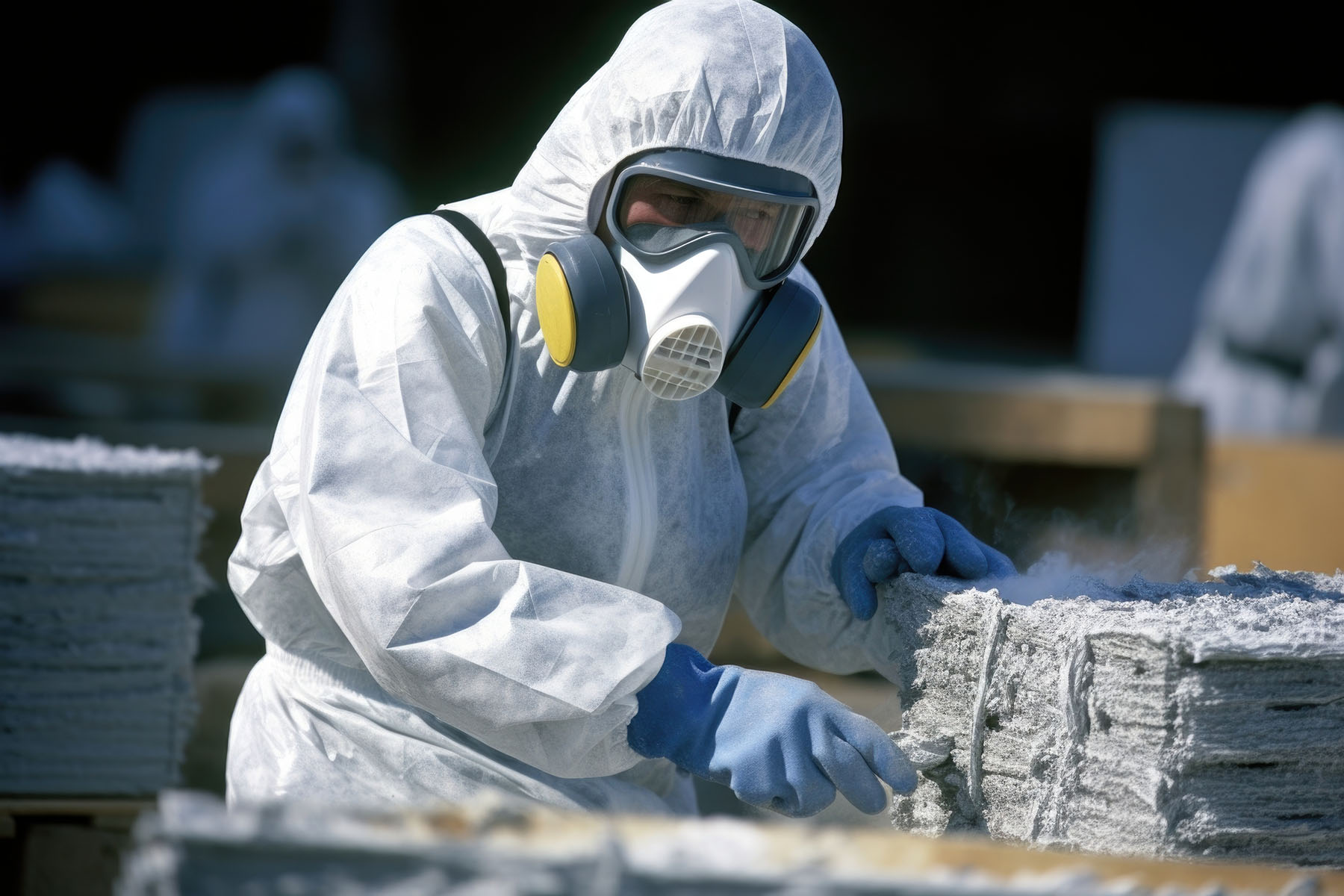
Asbestos Awareness
Asbestos remains the leading cause of work‑related fatalities in Great Britain, with approximately 5,000 deaths each year linked to conditions such as mesothelioma, lung cancer, and asbestosis. Any property built or refurbished before the year 2000 may still contain asbestos‑containing materials (ACMs).
Description
Our online Asbestos Awareness course delivers essential training for employees in line with the Control of Asbestos Regulations 2012.
These regulations place a duty on employers to provide regular training that covers asbestos‑related risks, types of asbestos‑containing materials, safe working procedures, and legal responsibilities. Training content can be adapted to suit specific industries and job roles, ensuring it is relevant to your workforce.
Benefits of Training
- Fully accredited by the Independent Asbestos Training Providers (IATP).
- The asbestos awareness online course helps reduce unsafe behaviours that could result in serious health issues, legal action, or regulatory enforcement.
- Ensures employees who may be exposed to asbestos understand their duties under the Control of Asbestos Regulations 2012, helping organisations remain compliant.
- Develops understanding of what asbestos is, where it may be present, the health risks involved, and the correct actions to take if asbestos‑containing materials (ACMs) are suspected.
- Engaging, self‑paced eLearning featuring interactive content, quizzes, and section summaries to reinforce learning.
- IOSH approved, CPD accredited, and fully SCORM compliant.
Course Aims
- Explain what asbestos is, including its most common forms and key characteristics.
- Understand the health effects of asbestos exposure and how inhaled fibres can damage the body.
- Identify typical locations where asbestos and asbestos‑containing materials (ACMs) may be present.
- Know the correct actions to take if asbestos is found or suspected.
- Understand the duties of those with responsibilities under the Control of Asbestos Regulations 2012.
- Recognise their personal role in reducing the risk of asbestos exposure and safeguarding others.
Course Overview
Introduction to asbestos
- An overview of what asbestos is, where it comes from, and the reasons it has been used throughout history.
- An explanation of the origin and meaning of the term “asbestos,” along with examples of its use in ancient times.
Properties of asbestos
- An explanation of why asbestos became so widely used, including its durability, fire‑resistant qualities, resistance to chemicals, and ability to limit heat transfer.
Types of asbestos
- An overview of the three main forms of asbestos — white (chrysotile), brown (amosite), and blue (crocidolite) — explaining that all types present serious health risks, even though they may look similar to the naked eye.
Historical and modern use
- An overview of how asbestos use reached its highest levels during the 1970s.
- A summary of the UK’s regulatory timeline, including the partial ban introduced in 1985 and the complete ban in 1999.
- An explanation of why asbestos is still commonly present in many older buildings despite these bans.
Asbestos in the body
- An explanation of how asbestos fibres can enter the body through breathing in, swallowing, or skin contact, with emphasis on inhalation as the most dangerous route of exposure.
- An overview of why the body’s natural lung defence mechanisms are unable to break down or remove asbestos fibres effectively.
Health effects of exposure
- An outline of the serious and often fatal illnesses linked to asbestos exposure, including asbestosis, mesothelioma, lung cancer, and heart failure, along with an explanation of the long delay that can occur between exposure and the development of disease.
Where asbestos may be present
- Common uses of asbestos in construction, such as sprayed coatings, insulation boards, textured finishes, cement‑based products, and pipe or boiler lagging.
- Typical examples include garage and shed roofs, boiler flues, floor tiles, toilet cisterns, roofing felt, and other materials often found in older buildings.
Recognising asbestos‑containing materials (ACMs)
- An explanation of how asbestos‑containing materials may be identified through labels or signage.
- Emphasis on the need to avoid assuming that materials are asbestos‑free simply because they are not labelled.
- Examples of common warning signs that may indicate the presence of asbestos.
Domestic properties – assessing asbestos risk
- Guidance on identifying potential asbestos risks in residential properties, including examining the building, considering its age, checking for signs of damage or deterioration, and recording observations accurately.
Commercial premises – assessing asbestos risk
- Reasonable actions for managing asbestos risks in non‑domestic buildings, including:
- Reviewing existing asbestos registers and records.
- Consulting with architects, facilities staff, or other knowledgeable personnel.
- Carrying out visual inspections where appropriate.
- Assessing the condition of known or suspected asbestos‑containing materials.
- Documenting findings accurately and keeping records up to date.
Legal framework – Control of Asbestos Regulations
- An overview of the responsibilities placed on employers, duty holders, and those managing buildings, including identifying and recording asbestos‑containing materials, keeping asbestos management plans up to date, and ensuring that workers receive appropriate information, instruction, and training.
Duty holders and responsibilities
- Clear definitions of what is meant by a “duty holder” and “premises” under asbestos legislation.
- An explanation of the legal requirement to manage asbestos risks in non‑domestic buildings.
- An outline of how responsibilities may be shared or delegated, while emphasising that overall legal accountability cannot be transferred.
Safe action if asbestos is discovered
- Guidance on the correct steps to take if asbestos is found or suspected, including stopping work immediately, avoiding any disturbance of the material, notifying a manager or supervisor, limiting access to the area, and arranging for assessment, testing, and removal by licensed asbestos professionals where required.
Types of asbestos surveys
- An explanation of the difference between management surveys, which are used to safely manage asbestos during the normal occupation of a building, and refurbishment or demolition surveys, which are required before significant building work or structural changes take place.


